

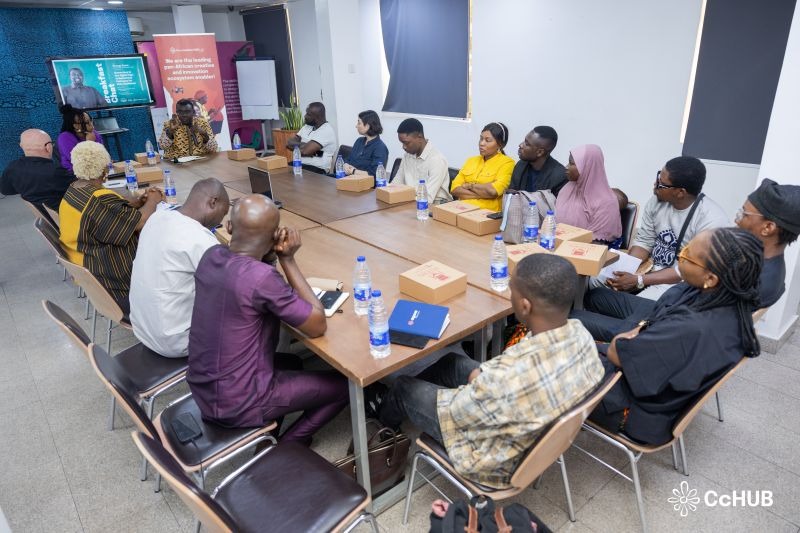
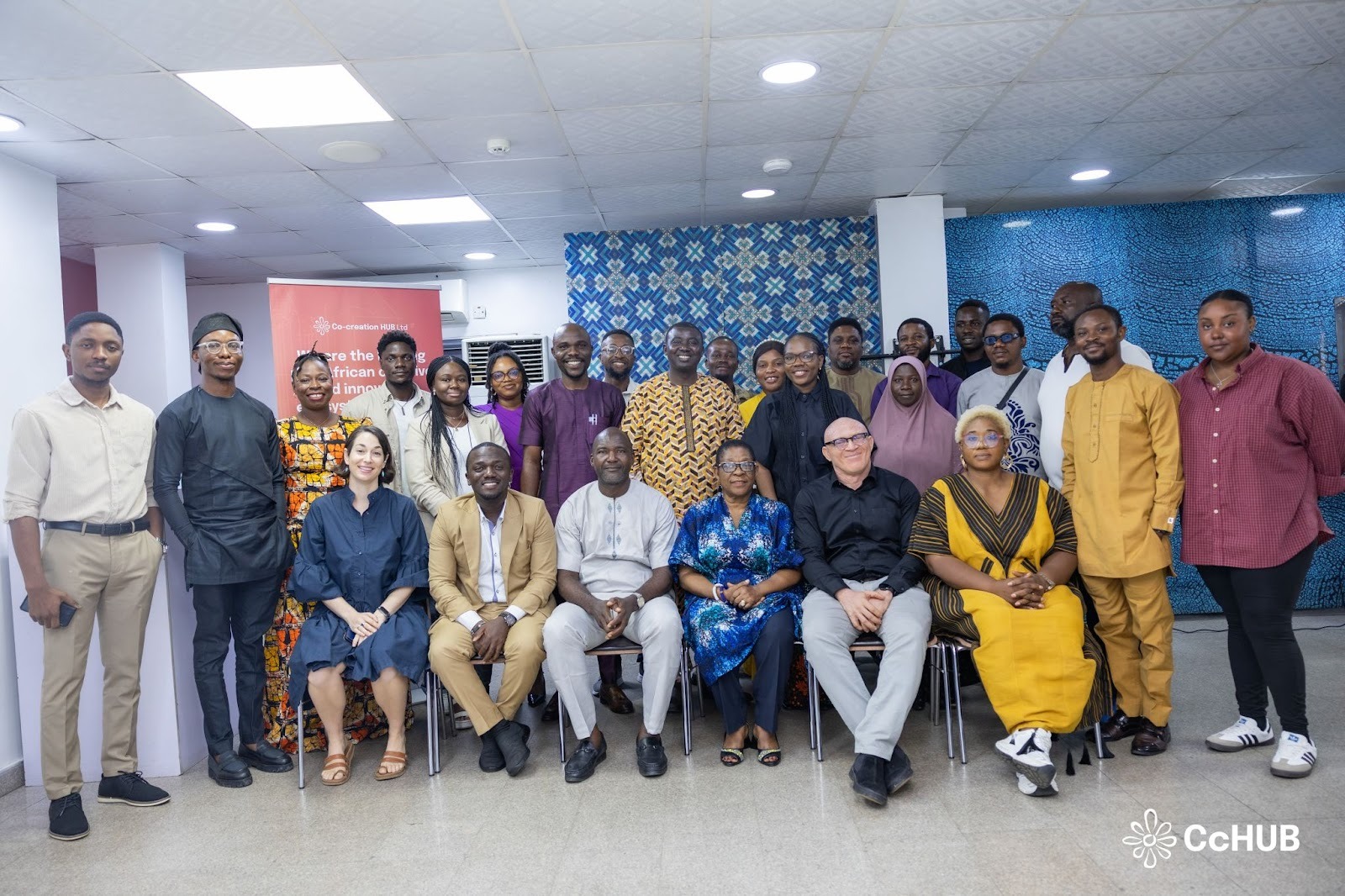
As Nigeria approaches the 2027 general elections, a critical conversation is unfolding about the intersection of democracy, technology, and civic engagement. At a recent breakfast dialogue organized by Co-creation HUB’s Technology and Society Practice, stakeholders gathered to address an urgent question: How can Nigeria utilize digital tools to promote democracy rather than as tools of division and disinformation?
The Digital Threat Landscape
‘Gbenga Sesan, Executive Director of Paradigm Initiative, painted a sobering picture of the challenges ahead. The problem isn’t technology itself, but how existing vulnerabilities are amplified in the digital age. From deepfake videos soliciting fraudulent donations to the alarming availability of Nigerians’ personal data—including names, mobile numbers, and biometric information—for purchase online, the tools of manipulation have become increasingly sophisticated.
Perhaps more insidious than deepfakes is how compromised data feeds AI systems that map voter behavior, identify targets for suppression campaigns, and drive coordinated propaganda through social media bots. These tactics, observed in democracies worldwide, pose an existential threat to electoral integrity.
The Trust Deficit
At the heart of Nigeria’s democratic challenges lies a crisis of trust. The controversy surrounding the Bimodal Voter Accreditation System (BVAS) during the 2023 elections exemplified how pre-existing mistrust in government institutions transforms technological tools into flashpoints of suspicion. When citizens see a disconnect between their participation and electoral outcomes, apathy becomes rational—a dangerous equation for any democracy.
The discussion identified two critical infrastructural gaps: the manipulable space between the electoral process and its outcomes, and weak institutions unable to resist the influence of powerful political actors. These gaps don’t just undermine confidence; they actively discourage participation.
The Widening Digital Divide
Nigeria faces multiple, overlapping divides—digital, gender, age, language, and geographic. Two-thirds of platform users are men, while women comprise only one-third. Rural communities, representing a massive voting bloc, often lack basic infrastructure like electricity and internet access, yet they use feature phones that could be leveraged for civic engagement through appropriate technology like SMS.
The consequences extend beyond politics. Young people unfamiliar with computers struggle with computerized examinations like JAMB, their futures constrained by a digital gap that widens daily. State-level internet shutdowns in already disadvantaged regions compound these inequalities, creating a vicious cycle of exclusion.
Pathways to Resilience
The conversation wasn’t merely diagnostic—it charted practical pathways forward through the RSVP framework: Register, Select, Vote, Protect.
Registration can be streamlined by leveraging existing databases like the National Identification Number system, removing physical verification bottlenecks.
Selection requires addressing information asymmetry. Low-tech solutions like text messages can deliver comprehensive, truthful candidate information directly to voters, including those in rural areas.
Voting technology works when implemented faithfully. The BVAS system’s failure stemmed not from technical inadequacy but from deliberate restrictions and incapacitation during elections.
Protection through parallel voter tabulation accurately identifies inconsistencies, but external interests often prevent full transparency.
Meeting People Where They Are
Perhaps the most powerful insight from the dialogue was the call to engage citizens on their own terms. Young people gravitate toward entertainment and social media? Convert reports into short films that garner millions of views. Women underrepresented in civic spaces? Hire women as trainers and role models, demonstrating that leadership transcends gender. Communities divided by ethnicity and religion? Invest in “regional re-education” that addresses deep-seated divisions technology alone cannot solve.
Hannah, a journalist, raised a critical question: How do we engage youth more interested in comedy skits than democracy? The answer requires financial investment in youth-focused campaigns and meeting people in their preferred spaces, whether digital or physical.
The Long Game
While concerns about AI interference, deepfakes, and increased trolling ahead of 2027 are valid, ‘Gbenga urged participants to think beyond one election cycle. Focus on achievable wins for 2027 while setting sights on 2031 and 2035. Democracy is a marathon, not a sprint.
This requires “continuous vigilance” from civil society to prevent regulation from becoming censorship, as exemplified by the 2024 Cybercrime Act amendment that quietly granted ministerial overreach. It demands men raising sons who view women as equals. It necessitates ensuring persons with disabilities receive promised accommodations like braille ballots, not empty promises.
A Call to Action
As Yvonne Eweka concluded, the session established challenges, identified pathways, and secured commitments toward protecting democracy. The diverse stakeholders present—civil society organizations, policymakers, human rights defenders, and young activists—must now integrate these insights into their programmatic work.
The 2027 elections need not be a “lost cause.” Momentum can shift unexpectedly, as the 2015 elections demonstrated. But achieving civic and digital resilience requires more than hope—it demands coordinated action, financial investment, appropriate technology, and an unwavering commitment to building trust through outcomes, not just processes.
Nigeria’s democracy in the digital age will be shaped not by technology alone, but by whether citizens, institutions, and stakeholders choose collaboration over division, transparency over manipulation, and inclusion over exclusion. The conversation has begun. The work continues.